
The Homebirth Series, Reason # 2: A straight-forward birth is more likely in a planned homebirth than a planned hospital birth.
When contemplating what location I wanted for my second birth, it was critical to consider what I wanted that birth to look like.
My intention, or preference, was to have a straight-forward vaginal birth (no instruments of episiotomies), followed by optimal cord management and extended skin-to-skin with my baby. What I discovered through research and discussions in the community, was that this scenario in a hospital is, sadly, statistically unlikely. However, for planned homebirth, it was very likely to occur (and it did!).
Let’s dive in to look at the evidence around these birth outcomes in different settings.
Mode of Birth
In the 2024 Australian Mothers and Babies report (based on data from 2022), it was found that only 49% of births were non-instrumental, non-surgical vaginal births. This mainly reflects the hospital system, as 96.9% of births occurred in hospitals that year. That’s not great- less than half of all births were straightforward!
However, these stats are very different in an exclusive home environment. A major Australian study found that the odds of a non-instrumental vaginal birth are six times as high for planned birth at home compared to in hospital (Homer et. al. 2019). In this study, they had matched populations of low-risk women for comparison, and 95.2% of the homebirth cohort (8, 212 women) experienced my own desired outcome. I have summarised some of their key findings in the table below:
Mode of Birth, Intervention and Perineal Outcomes (Homer et. al. 2019)
| Outcome | Percentage (%) of births at each location | ||
| Hospital | Birth Centre | Home | |
| Normal, Vaginal Birth | 78.6** | 89.2 | 95.2 |
| Vacuum Extraction | 7.3 | 3.5 | 1.3 |
| Forceps Delivery | 4.6 | 2.5 | 0.7 |
| Episiotomy (C-section births excluded) | 17.3 | 8.3 | 2.6 |
| Intrapartum (in labour) C-Section | 7.8** | 4 | 2.4 |
| Intact Perineum (C-section births excluded) | 26.3 | 30 | 47.2 |
To top it all off, our babies are just as safe in either environment (read more in Reason #6).
Yes, women who are planning to birth at home with a midwife do sometimes transfer to hospital, but that doesn’t change these numbers: these statistics refer to the planned place of birth. A planned homebirth usually involves the continuity of care of the midwife, which generally means a higher level of care of the woman, and physiology being optimised. These make a difference regardless of where you actually end up birthing.
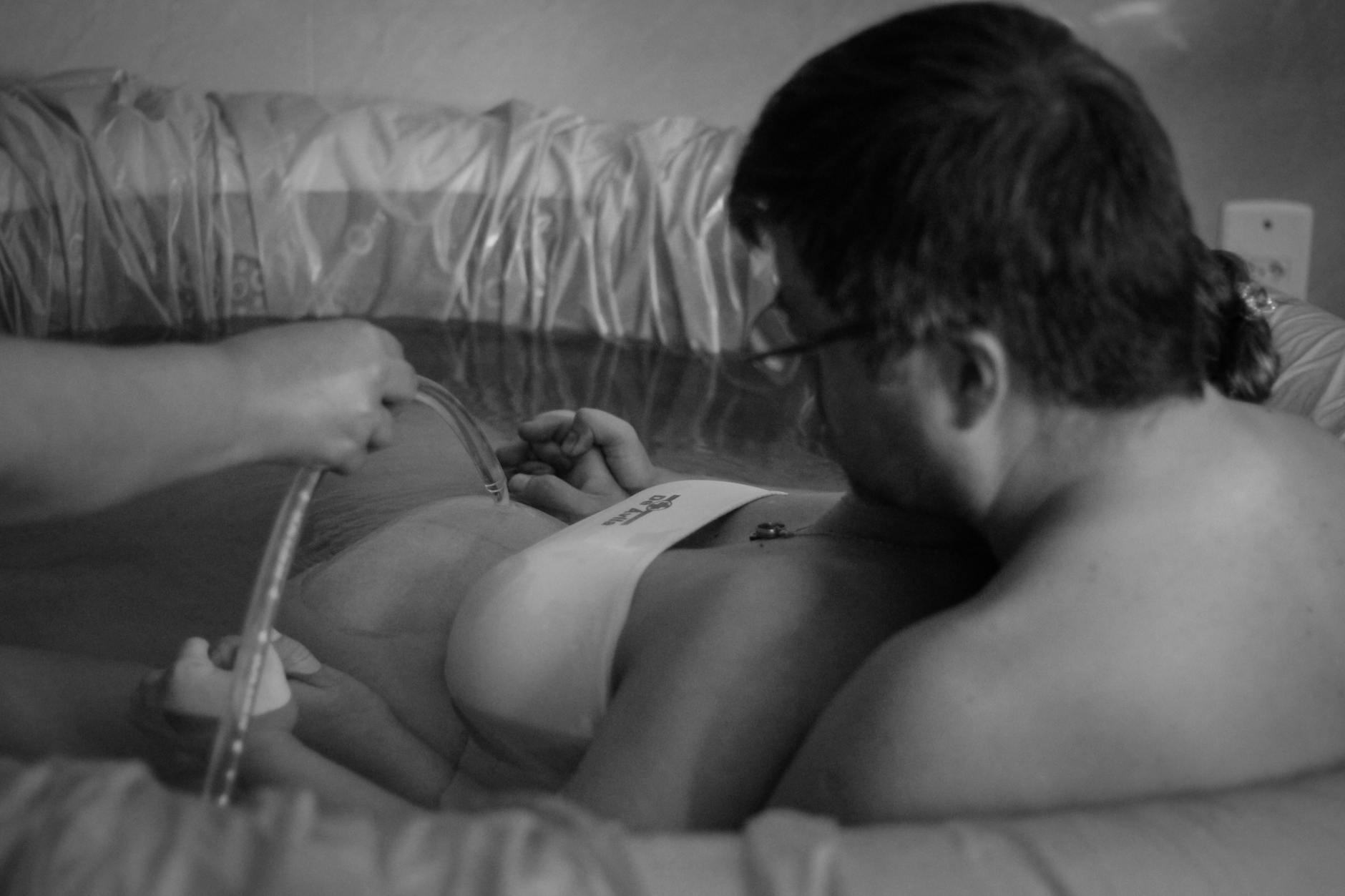
This strongly suggests that the intervention rate doesn’t NEED to be as high as it is in the hospital setting. Maybe, as your own intuition probably tells you, surgical/instrumental birth isn’t actually necessary for 51% of the population to get their babies out safely.
I realised that if I wanted to protect my body from intervention and damage (that wasn’t actually necessary) I should choose to plan a home birth.
Bub’s First Hours
And what about the other stuff I wanted: natural placenta delivery, optimal cord management, extended skin-to-skin and the best start for breastfeeding?
Well, in a hospital, these need to be negotiated with your care provider, as hospital policy or workplace culture sometimes conflicts with the research on best practice. In some cases, they need to be fought for, and hard.
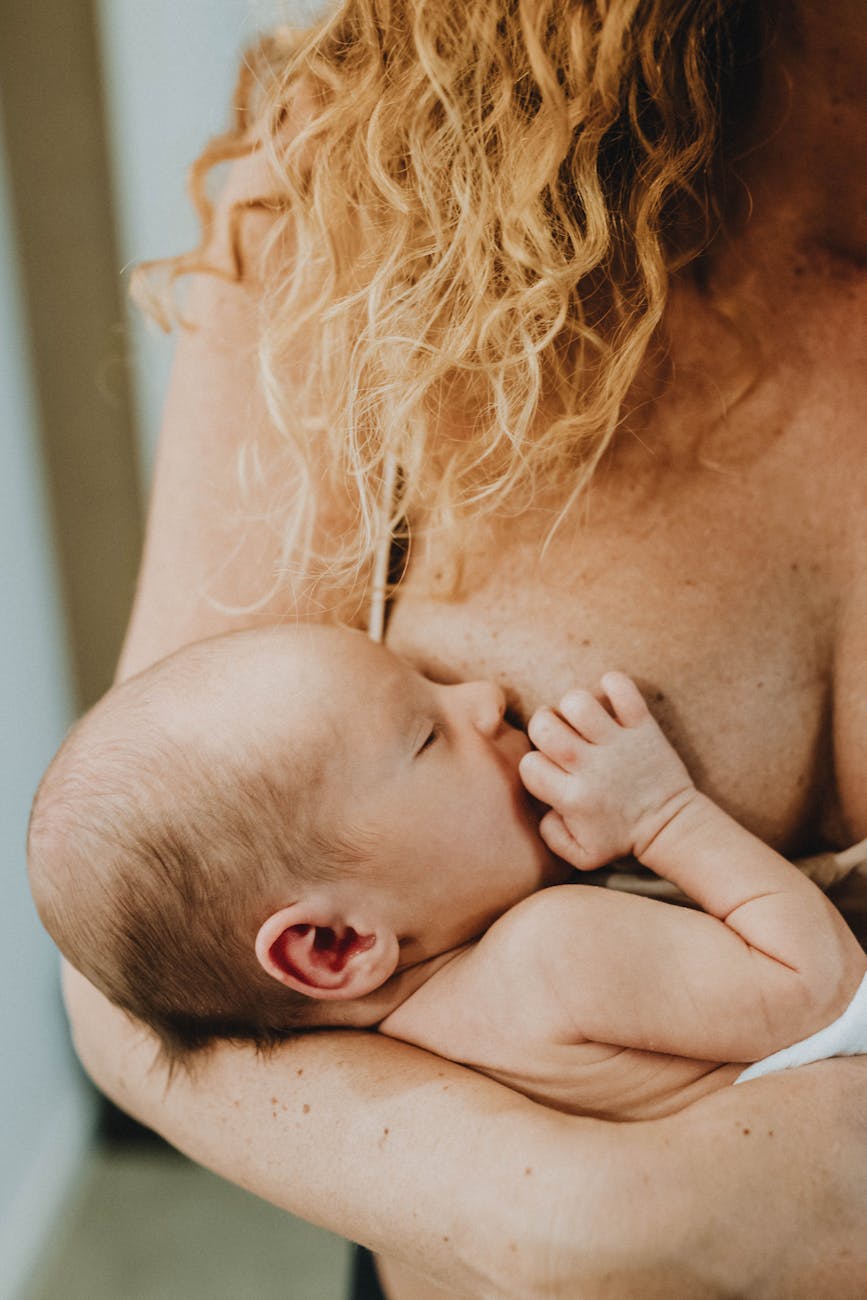
However, all of these are part of the usual care of mothers in a home environment under midwifery care. In my experience at home, which I believe is the norm in homebirths, I held my baby to my chest from the moment she was born (for hours), I delivered the placenta without medication (in my own time), and we didn’t even cut the cord until after the placenta was out. I latched and fed my baby in quiet, dim lighting, while the midwives made their notes out of our space. This is the best possible start for a tiny human, and for a mother too.
What if I planned this homebirth, but I didn’t get the birth I imagined?
If I had to transfer to hospital, and I didn’t get the birth I intended, would I have been disappointed? Absolutely. However, there is much I still would have had: I would have had most of the benefits of a planned homebirth (statistically speaking). I would have still had care from my known, familiar midwife. I would have been so informed about every aspect of birth. And I would also have known that any interventions- even those I wasn’t keen on- were medically necessary, and that I had done all I could do to promote a physiological birth. I believe I would have been disappointed, but ultimately ok with that- grateful for medicine stepping in to help, as opposed to being left wondering if it was just pressure from the system and its generic policies.
It all comes down to YOU
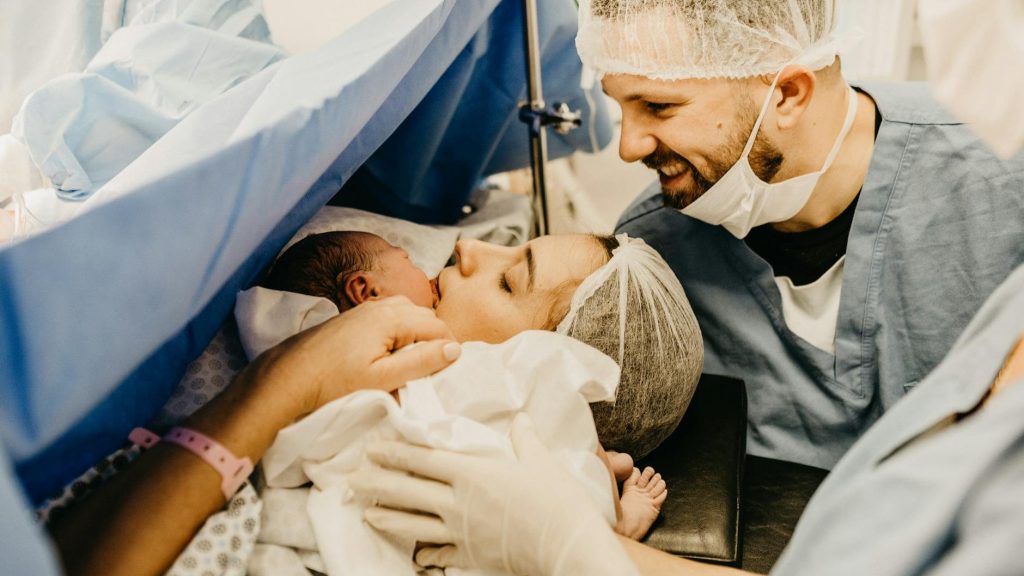
Different women may want or need different things out of their birthing experience. It is so important to match your hopes and needs with care providers that will be aligned to your goals, and also choose the location that would support them too. For me, with my strong preference and personal circumstances, the numbers made it an easy decision. But they do beg the question: Why? Why are normal births so much easier at home? Continue reading as we look at what physiological birth needs, and why that’s more difficult to come by in a hospital setting.
Keep Reading: Reason #3 For Physiological Birth, there’s No Place Like Home
Follow Me & Subscribe
A WordPress.com site.

 Perth Birth Nerd
Leave a reply to Birth in Australia is Very, Very Safe – Perth Birth Nerd Cancel reply