The Homebirth Series, Reason #6
The strongest reason I had for choosing to birth my second baby at home was this: the evidence showed that women fared much better when birthing at home than those who birth in hospitals, without compromising the safety of babies.
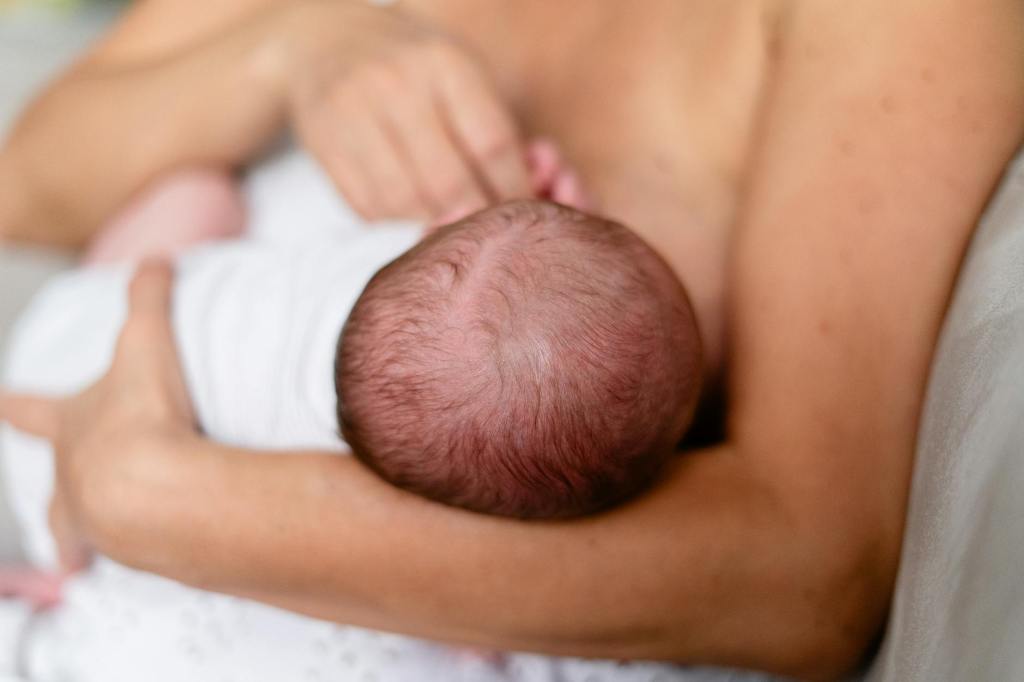
I chose homebirth with a midwife because the data told me I would be safer, and in better condition, if I stayed at home.
If you are ready to deep-dive into numbers, let’s go!
I will discuss two of the major studies that supported this, and also list some of the other sources that made me feel confident, and actually excited, to give birth at home.
The Birthplace in Australia Study
This was a study conducted by Professor Caroline Homer and her team, published in 2019, called “Maternal and perinatal outcomes by planned place of birth in Australia 2000 – 2012: a linked population data study”. It examined 1, 251, 420 births between the year 2000 and 2012, comparing outcomes for planned place of birth. It included 8, 212 homebirths. While statisticians prefer sample sizes of 10, 000 and above, particularly to examine rare occurrences, this isn’t a small number either, particularly in the Australian context where homebirth is so uncommon.
This was a retrospective study that examined uncomplicated births- no twins, no breech presentations, no major health conditions in women.
So, what did they find?
The table below shows information about the percentage of interventions at each place of birth. Since the researchers have included birth centers, I have too, even though I was not eligible for care at a birth centre.
Mode of Birth, Intervention and Perineal Outcomes
| Outcome | Percentage (%) of births at each location | ||
| Hospital | Birth Centre | Home | |
| Normal, Vaginal Birth | 78.6** | 89.2 | 95.2 |
| Vacuum Extraction | 7.3 | 3.5 | 1.3 |
| Forceps Delivery | 4.6 | 2.5 | 0.7 |
| Episiotomy(c-section births excluded) | 17.3 | 8.3 | 2.6 |
| Intrapartum (in labour) C-Section | 7.8** | 4 | 2.4 |
| Intact Perineum (c-section births excluded) | 26.3 | 30 | 47.2 |
So, as a fan of my perineum, and as a person who wanted to avoid surgical birth, it almost seemed ludicrous to even consider planning a hospital birth.
** Do these numbers surprise you? You might notice that, compared to national averages, the interventions in hospitals seem really low in this data. It is important to note that, apart from only looking at low-risk cohorts, this study also excluded women who had inductions for any reason, or previous cesarean. Inductions increase the likelihood of major interventions occurring, and previous caesarean is the number one reason for repeat cesareans, so this significantly alters the numbers for hospitals in this study compared to general populations.
But what about babies? The following table gives raw data for baby mortality and hospitalisation for included births.
Outcomes for Babies
| Outcome | Incidence per 1000 births in each location | ||
| Hospital | Birth Centre | Home | |
| Mortality: Stillbirth during labour, early and late neonatal death | 0.8 | 0.4 | 1.1 |
| Stay in Neonatal Intensive Care or Special Care Nursery for longer than 48 hours | 8.42 | 10.16 | 5.18 |
| Readmission to hospital within 28 days (or for babies born at home, admission to hospital within 28 days) | 30.22 | 27.51 | 23.02 |
These are the raw numbers, per 1000 babies. From a statistical viewpoint, the researchers stated that the differences in mortality or readmission to hospital were not statistically significant.
There was more data included in the study, but I have only included here the factors that were most influential to my decision. I encourage you to look at the journal article, which is open access, and see the tables of values and research methods for yourself.
Based on the findings, the researchers concluded that homebirths were safe babies, and resulted in much better outcomes for mothers. This was in agreement with another large study- The Birthplace in England Study.
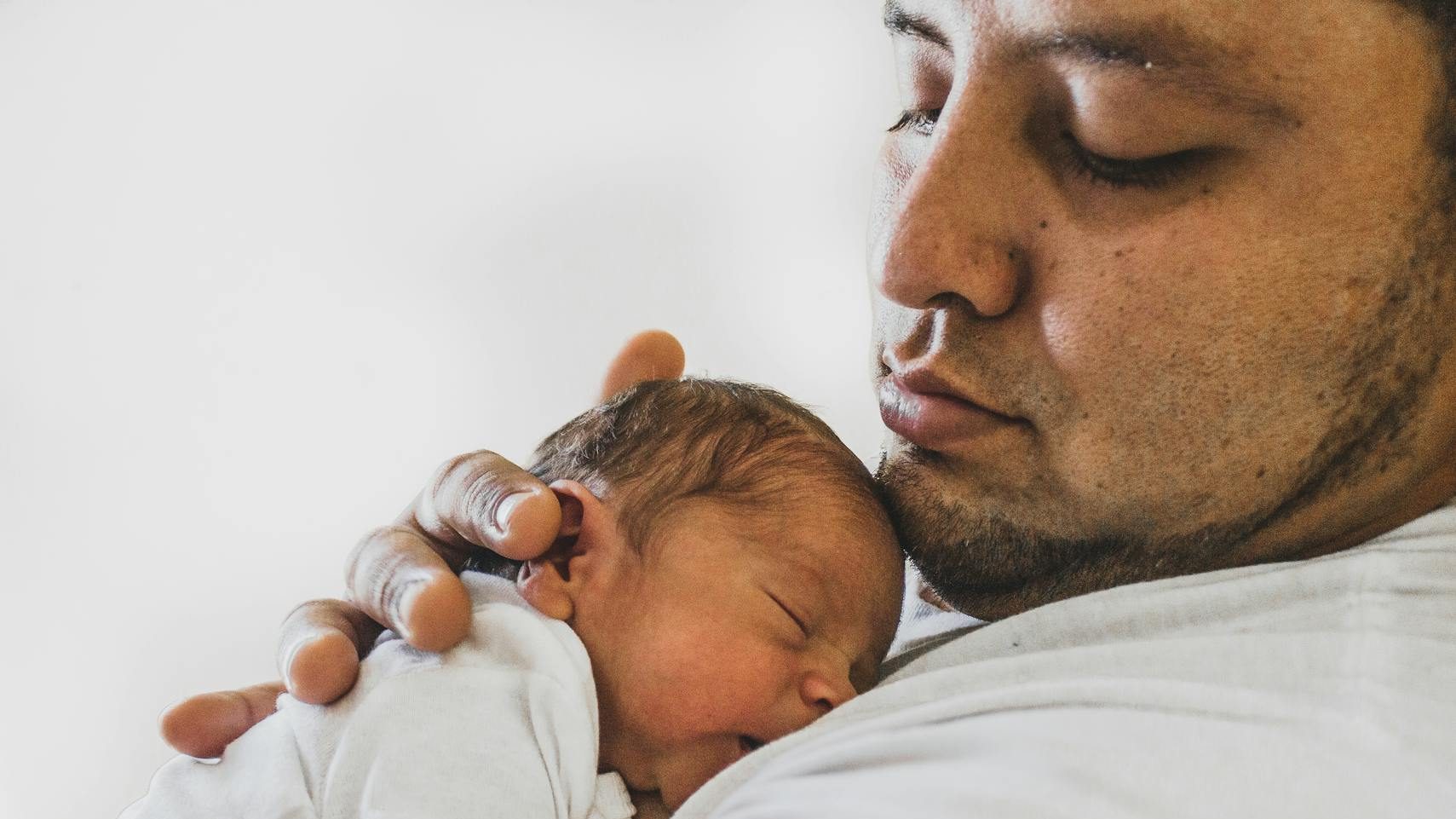
Birthplace in England
There was another study, conducted by the Birthplace in England Collaborative Group, that was published 8 years earlier, called “Perinatal and maternal outcomes by planned place of birth for healthy women with low risk pregnancies: the Birthplace in England national prospective cohort study”. This study was very similar to the Australian one, however Homebirth is much more commonplace in the UK, and they were able to include 16, 840 homebirths out of a total 79, 774 births. Again, only low risk populations were compared.
Findings
In terms of interventions for women, they found similar results to here in Australia: For women with planned births in a home, or a midwifery unit (like a birth centre), there was a significantly lower incidence of instrumental or operative delivery compared to those with planned births in hospitals. These women were also significantly less likely to receive medical interventions, including augmentation, epidural, general anesthesia, and episiotomy, and were significantly more likely to have a “normal birth.” There are too many good stats to list here- I encourage you to check out the results, which are open to the public.
For babies, again, they found in general there were no significant differences in negative outcomes. However, they did find a difference that wasn’t in favour of homebirth for one population: whilst the incidence of adverse outcomes was low in all settings, for women who had never had a baby before, there was a very small increase in homebirth settings (9.3/1000 births) compared to the hospital (5.3/1000 births). This number was the combined total of events of perinatal mortality as well as morbidities such as neonatal encephalopathy, meconium aspiration syndrome, brachial plexus injury, fractured humerus or clavicle. However, for women who had had babies before, the results for this outcome were the opposite- better for homebirth than for hospital birth.
Overall, the study was in support of offering low-risk women the opportunity to birth at home. From my perspective, having looked at the numbers, I again felt quite confident planning a homebirth for my own situation.
Other Publications
There are more studies, and also statements from governing bodies, that attest the safety and effectveness of homebirth:
- Another study, a systematic review of 28 research papers concluded that: “High-quality evidence about low-risk pregnancies indicates that place of birth had no statistically significant impact on infant mortality. The lower odds of maternal morbidity and obstetric intervention support the expansion of birth centres and home birth options for women with low-risk pregnancies.” (Scarf et al, 2018)
- The Royal Australian and New Zealand College of Obstetricians and Gynaecologists (RANZCOG) are a training and accreditation body, and they set forth guidelines with recommendations for safety and policy. The RANZCOG guidelines for home births state that “the evidence in this statement does not report either an increase or a decrease in adverse perinatal events with either place of birth for low-risk women”, when comparing home to hospital as a birth place.
- The International Confederation of Midwives states that: “Planned home birth increases the likelihood of experiencing a birth that is both satisfying and safe” (Position Statement on Homebirth, 2005).
It might not be mainstream, but homebirth is a clinically supported and recognized option.

It’s all about the planning
You may have noticed that this whole article is about the great results for women who planned to birth their babies at home. I just wanted to take a moment to highlight this: it matters where you plan to birth your baby. Anecdotally, 10-15% of homebirths need to transfer to hospital at some point during labour. These are usually not emergencies- they are often for long labours, thick meconium, or pain relief. But even in the event of transfer, the “protective” factor is the fact that a homebirth was planned. The data shows the plan is what matters here, not the final place of birth.
The Number-One Reason
While I had many reasons for wanting to birth at home, and avoid hospitals, what really pushed me over the line was understanding this research. I wanted to have the most complication-free, straightforward birth possible. These numbers told me I would have a better chance at that birth, avoiding major surgical interventions, and with less physical damage, if I just planned to stay home.
So I did- I had my baby at home. It was amazing- hard work, to be sure. Yes, there was some intense pain, I mean, we are talking about birth. But it was easy, it unfolded exactly as it should. And whilst there may be an element of luck involved, numbers don’t lie: I improved my chances drastically when I chose the location.
Follow Me & Subscribe
A WordPress.com site.

 Perth Birth Nerd
Leave a comment